Skip to content
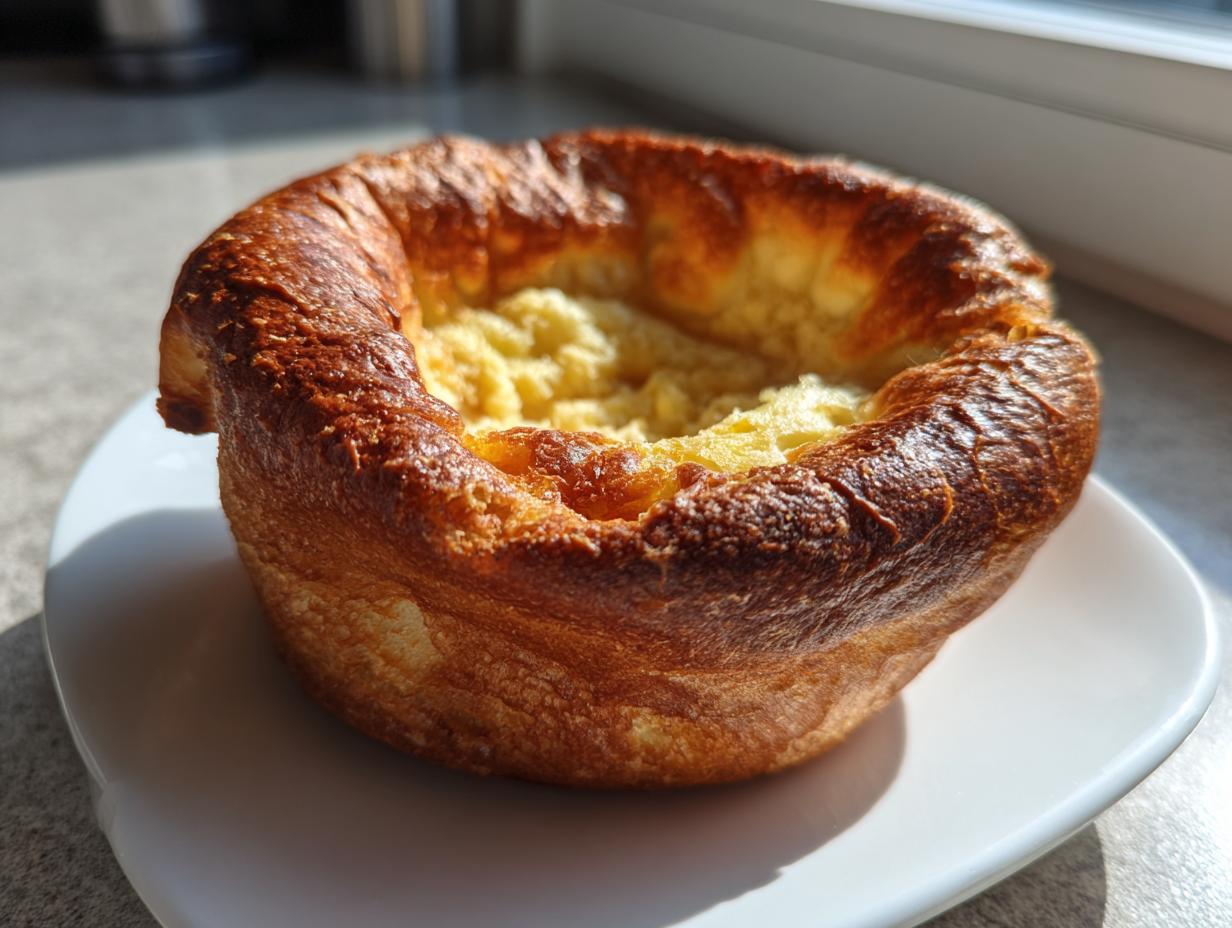
You are about to unlock **The Best Yorkshire Pudding Recipe**, and trust me, I mean it! Forget those sad, flat discs that look more like pancakes. We are aiming for towering, golden clouds ready to soak up gravy. I’m Anna Kowalska, and here I share tried-and-true homemade recipes that you and your family will love; everything I put out here is made with heart and flavor.
My journey into perfect puddings started when I moved away from home and realized store-bought just couldn’t cut it. I spent years testing fat temperatures and resting times, trying to recreate the magic my aunt used to make for Sunday roasts. This recipe isn’t just a set of measurements; it’s my hard-won expertise boiled down into simple steps.
Once you nail this technique, you’ll never look back. The secret lies in making sure that cold batter hits fat that’s practically screaming hot. Get ready for the most reliable, puffed-up Yorkshire puddings you’ve ever made!
Jump to:
Why You Will Master The Best Yorkshire Pudding Recipe
When you follow these steps, you stop guessing and start knowing you’ll get amazing results. These puddings are far more forgiving than people think, provided you respect the heat!
- You get to enjoy incredibly fast prep time—we’re talking about five minutes of mixing before the magic happens in the oven.
- This technique guarantees a dependable rise every time, turning your oven into a professional pastry station.
- You’ll have the cornerstone recipe for the perfect roast dinner—these **The Best Yorkshire Pudding Recipe** results are truly restaurant quality.
Quick Preparation Time
Honestly, the mixing takes next to no time. You just dump the flour in a jug, make a little well, and start introducing the eggs and milk. It’s about mixing until it looks like thick cream—that’s it for the active prep! If you can stir, you can make this batter.
Dependable Rise Every Time
The absolute key to puff is the temperature clash. You need cold batter meeting fat that is almost smoking hot. It’s the shock that creates the steam explosion needed for that signature rise. Don’t skimp on the preheating time for that fat!
Essential Ingredients for The Best Yorkshire Pudding Recipe
The ingredient list for **The Best Yorkshire Pudding Recipe** is wonderfully simple, which is why technique matters so much here. We aren’t hiding behind complex additions; we are relying on the purity of flour, eggs, and milk.
The ratio of wet to dry ingredients is what gives us that beautiful, slightly chewy edge and a light, hollow center. Don’t be tempted to use self-raising flour here—that gives you a cakey texture we absolutely don’t want. We need the structure that plain flour provides.
Ingredient Table Setup
Here’s exactly what you need for 12 beautiful puddings. Get your ingredients measured out before you start mixing; it makes the process so much smoother.
| Ingredient | Measurement | Notes |
|---|---|---|
| Plain (all-purpose) flour | 140 g / 1 cup + 2 tbsp | Do not use self-raising |
| Medium eggs | 4 | Lightly whisked before adding |
| Milk | 200 ml / about ¾ cup + 1 tbsp | Cold is best for the batter |
| Beef dripping or lard | 6 tsp | Or vegetable oil for vegetarian |
| Salt | ¼ tsp | Added just before baking |
| Black pepper | ¼ tsp | Added just before baking |
Ingredient Clarity and Substitutions
If you’re skipping the traditional beef dripping—maybe you’re catering for vegetarians—simple vegetable oil works just fine. Just make sure it’s an oil with a high smoke point so it gets super hot without burning. Also, remember: plain flour only! That’s how we get that classic texture.
Equipment Needed for The Best Yorkshire Pudding Recipe
You don’t need fancy gadgets for **The Best Yorkshire Pudding Recipe**, but you do need the right vessel to contain that glorious rise. A 12-hole standard muffin/cupcake tin is what I use, but you can use a larger tin if you want fewer, bigger puddings.
You’ll need a sturdy jug for easy pouring, a whisk or fork for mixing, and most importantly, something to hold that fat—a metal tin is best because it conducts heat so well.
Preheating and Fat Preparation
This is non-negotiable: the oven must be screaming hot—220°C (425°F). Put your fat into the holes of the tin and place that tin into the hot oven for at least 10 minutes. You are waiting for that fat to shimmer and almost smoke. If it’s not hot enough, your puddings will flop, guaranteed.
Step-by-Step Instructions for The Best Yorkshire Pudding Recipe
The success of **The Best Yorkshire Pudding Recipe** hinges on executing these steps in the right order, paying close attention to timing. Don’t rush the resting or the heating of the fat; those are the two non-negotiables!
Mixing The Batter
Start by taking your jug—yes, a jug makes pouring so much easier later! Put your plain flour in there first and make a little dip, or a well, right in the middle. Crack your four eggs into that well. Now, start stirring the eggs into the flour slowly, bringing the dry edges in. Once it’s a thick paste, start pouring in your milk gradually. You want to mix until it has the consistency of thick cream. If it’s too thin, it won’t hold its shape; if it’s too thick, it won’t spread when it hits the fat.
Resting and Finalizing The Batter
Once you have that smooth, creamy consistency, cover the jug and put it in the fridge. Seriously, don’t skip this! It needs at least 30 minutes, but honestly, overnight is even better. This resting time allows the gluten to relax and the starch to hydrate fully, which helps the pudding puff beautifully. When you’re ready to bake, take it out, give it one final, quick stir—just one!—and then toss in your salt and pepper right before you pour.
Achieving Maximum Heat
While the batter is chilling, get your oven preheating to 220°C (425°F). Place your measured fat—dripping or oil—into each hole of your 12-hole tin. Pop that tin into the hot oven for a full 10 minutes. You want that fat to be smoking faintly when you take it out. This is where the magic starts!
Baking for The Signature Puff
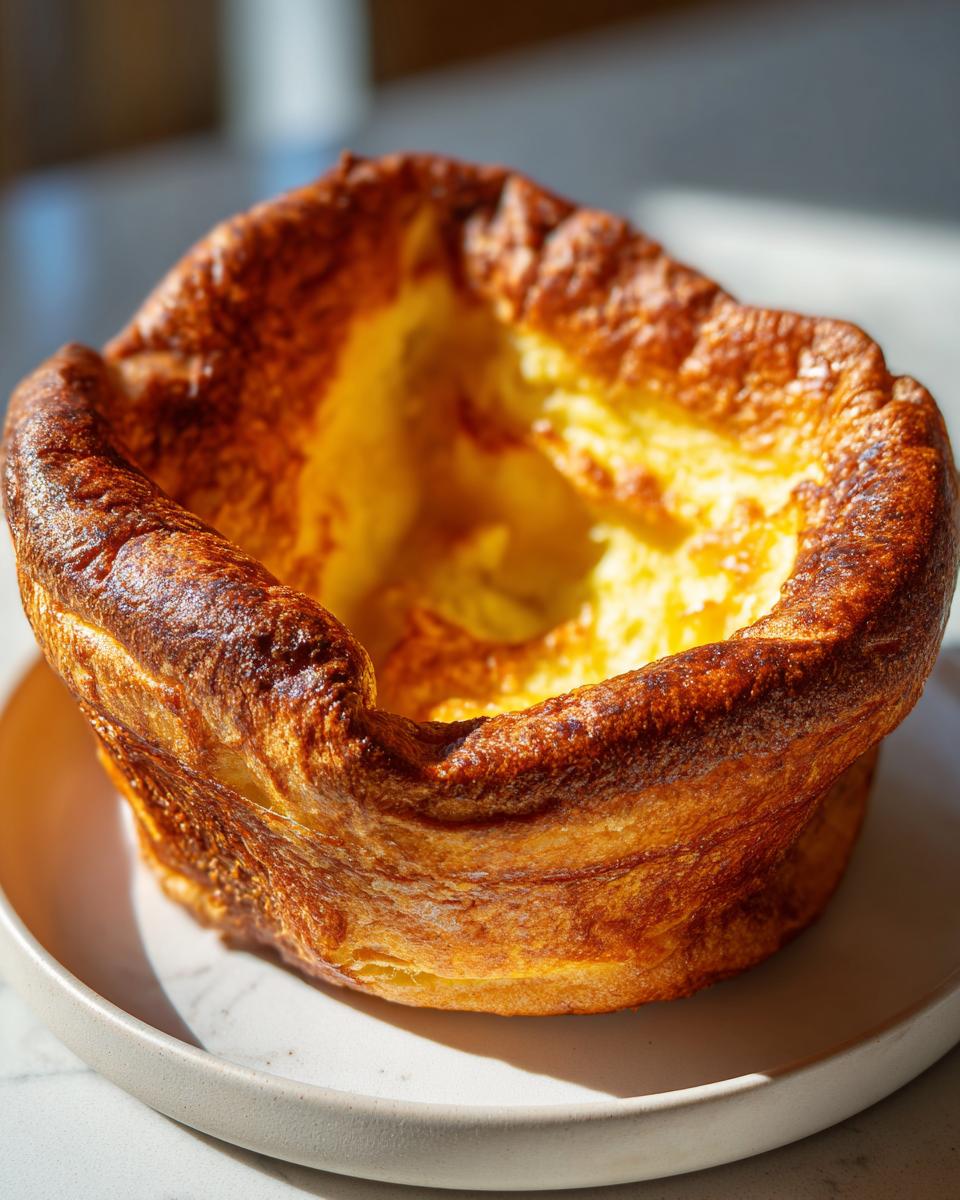
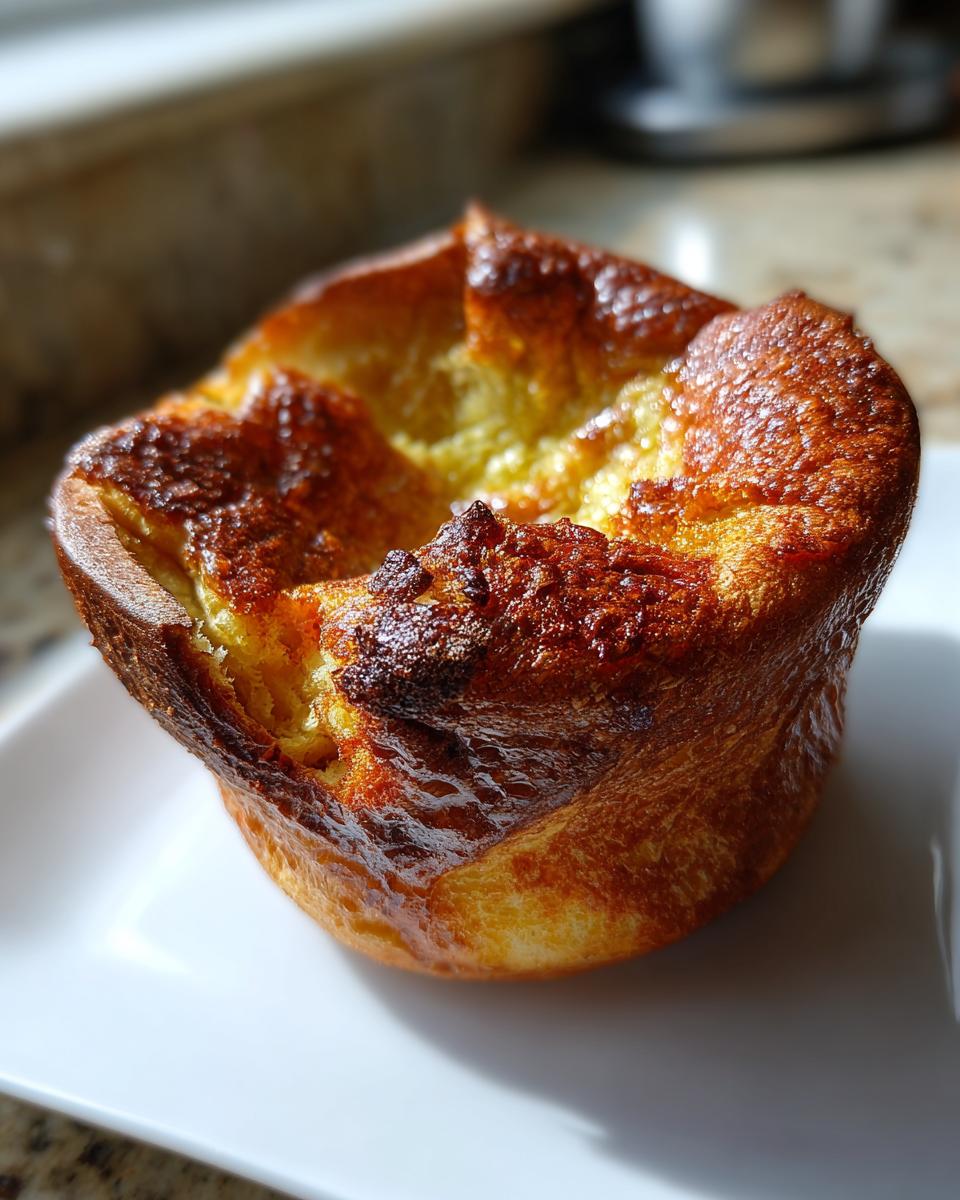
This part needs speed and confidence. Open the oven, take the screaming-hot tin out, and work fast! Quickly and evenly pour that cold batter into the hot fat in each hole—don’t fill them more than halfway, or they’ll overflow. Shut the door immediately! And here is the cardinal rule for **The Best Yorkshire Pudding Recipe**: Do not, under any circumstances, open that oven door for at least 15 minutes. Peeking lets the heat escape, and your beautiful puffs will collapse into sad little puddles. Bake for 15 to 18 minutes until they are gloriously risen and deep golden brown.
Tips for Perfect Yorkshire Puddings
Even with the best recipe, sometimes things go a little sideways. Don’t panic! Most Yorkshire pudding woes come down to simple temperature issues, which we can easily fix next time we make **The Best Yorkshire Pudding Recipe**.
Temperature Control Secrets
I can’t stress this enough: the fat must be blazing hot. If you’re worried your oven isn’t keeping the heat even, try this trick my dad taught me: heat the tin with the fat on the stovetop over medium heat for a minute or two before it goes into the oven to preheat. That guarantees the initial shock is powerful enough.
Batter Consistency Checks
If your batter rested overnight and seems a bit too thick the next day—maybe the flour absorbed too much liquid—just stir in a teaspoon or two of cold milk until you get that lovely, pourable, thick cream texture back again. It should coat the back of a spoon nicely.
Serving Suggestions for The Best Yorkshire Pudding Recipe
These aren’t just any side dish; they are the star of the show! **The Best Yorkshire Pudding Recipe** demands proper treatment. They are designed to be the vehicle for rich, meaty juices.
Traditional Accompaniments
Of course, they are essential for a proper roast beef dinner, but they are just as wonderful with roast chicken or pork. The only thing they absolutely require is a generous ladle of rich, homemade gravy poured right into the center cup once they come out of the oven. They are fantastic served immediately when they are still piping hot and crisp.
Storing and Reheating Your Yorkshire Puddings
If you have leftovers—which is rare in my house!—you need to treat them right when reheating so they regain their crispness. Don’t even think about the microwave; it turns them soft and chewy.
Reheating for Crispness
The best way to revive them is to place them directly onto a wire rack in a hot oven (around 200°C/400°F) for about five to eight minutes. This dries out the interior slightly and crisps up the exterior again. They’ll be almost as good as fresh!
Frequently Asked Questions About The Best Yorkshire Pudding Recipe
I get asked the same questions all the time about making sure these puff up perfectly. Here are my quick answers to the most common issues readers have with **The Best Yorkshire Pudding Recipe**.
Why Did My Yorkshire Puddings Not Rise?
Nine times out of ten, it’s the temperature. Either your oven wasn’t hot enough when you put them in, or the fat wasn’t hot enough. If the batter hits lukewarm fat, it just sits there and gently cooks instead of instantly steaming and puffing.
Can I Make The Batter Ahead of Time?
Yes, you absolutely can! I often make it the night before. Resting it in the fridge overnight is actually my preference. Just remember to stir in the salt and pepper right before you pour it into the hot fat; seasoning too early can sometimes affect the rise slightly.
Q. Can I use different types of flour?
No, stick to plain or all-purpose flour. Self-raising flour contains added raising agents that change the structure, making them dense and cake-like instead of light and hollow.
Estimated Nutritional Information for The Best Yorkshire Pudding Recipe
Since every ingredient can vary slightly, these numbers are just an estimate for one pudding from **The Best Yorkshire Pudding Recipe**. These are definitely a treat, not an everyday staple!
| Nutrient | Estimate Per Serving |
|---|---|
| Calories | Approx. 150 |
| Fat | Approx. 9g |
| Protein | Approx. 6g |
| Carbohydrates | Approx. 12g |
Why You Will Master The Best Yorkshire Pudding Recipe
When you follow these steps, you stop guessing and start knowing you’ll get amazing results. These puddings are far more forgiving than people think, provided you respect the heat!
- You get to enjoy incredibly fast prep time—we’re talking about five minutes of mixing before the magic happens in the oven.
- This technique guarantees a dependable rise every time, turning your oven into a professional pastry station.
- You’ll have the cornerstone recipe for the perfect roast dinner—these The Best Yorkshire Pudding Recipe results are truly restaurant quality.
Quick Preparation Time
Honestly, the mixing takes next to no time. You just dump the flour in a jug, make a little well, and start introducing the eggs and milk. It’s about mixing until it looks like thick cream—that’s it for the active prep! If you can stir, you can make this batter.
Dependable Rise Every Time
The absolute key to puff is the temperature clash. You need cold batter meeting fat that is almost smoking hot. It’s the shock that creates the steam explosion needed for that signature rise. Don’t skimp on the preheating time for that fat!
Essential Ingredients for The Best Yorkshire Pudding Recipe
The ingredient list for The Best Yorkshire Pudding Recipe is wonderfully simple, which is why technique matters so much here. We aren’t hiding behind complex additions; we are relying on the purity of flour, eggs, and milk.
The ratio of wet to dry ingredients is what gives us that beautiful, slightly chewy edge and a light, hollow center. Don’t be tempted to use self-raising flour here—that gives you a cakey texture we absolutely don’t want. We need the structure that plain flour provides.
Ingredient Table Setup
Here’s exactly what you need for 12 beautiful puddings. Get your ingredients measured out before you start mixing; it makes the process so much smoother.
| Ingredient | Measurement | Notes |
|---|---|---|
| Plain (all-purpose) flour | 140 g / 1 cup + 2 tbsp | Do not use self-raising |
| Medium eggs | 4 | Lightly whisked before adding |
| Milk | 200 ml / about ¾ cup + 1 tbsp | Cold is best for the batter |
| Beef dripping or lard | 6 tsp | Or vegetable oil for vegetarian |
| Salt | ¼ tsp | Added just before baking |
| Black pepper | ¼ tsp | Added just before baking |
Ingredient Clarity and Substitutions
If you’re skipping the traditional beef dripping—maybe you’re catering for vegetarians—simple vegetable oil works just fine. Just make sure it’s an oil with a high smoke point so it gets super hot without burning. Also, remember: plain flour only! That’s how we get that classic texture.
Equipment Needed for The Best Yorkshire Pudding Recipe
You don’t need fancy gadgets for The Best Yorkshire Pudding Recipe, but you do need the right vessel to contain that glorious rise. A 12-hole standard muffin/cupcake tin is what I use, but you can use a larger tin if you want fewer, bigger puddings.
You’ll need a sturdy jug for easy pouring, a whisk or fork for mixing, and most importantly, something to hold that fat—a metal tin is best because it conducts heat so well.
Preheating and Fat Preparation
This is non-negotiable: the oven must be screaming hot—220°C (425°F). Put your fat into the holes of the tin and place that tin into the hot oven for at least 10 minutes. You are waiting for that fat to shimmer and almost smoke. If it’s not hot enough, your puddings will flop, guaranteed.
Step-by-Step Instructions for The Best Yorkshire Pudding Recipe
The success of The Best Yorkshire Pudding Recipe hinges on executing these steps in the right order, paying close attention to timing. Don’t rush the resting or the heating of the fat; those are the two non-negotiables!
Mixing The Batter
Start by taking your jug—yes, a jug makes pouring so much easier later! Put your plain flour in there first and make a little dip, or a well, right in the middle. Crack your four eggs into that well. Now, start stirring the eggs into the flour slowly, bringing the dry edges in. Once it’s a thick paste, start pouring in your milk gradually. You want to mix until it has the consistency of thick cream. If it’s too thin, it won’t hold its shape; if it’s too thick, it won’t spread when it hits the fat.
Resting and Finalizing The Batter
Once you have that smooth, creamy consistency, cover the jug and put it in the fridge. Seriously, don’t skip this! It needs at least 30 minutes, but honestly, overnight is even better. This resting time allows the gluten to relax and the starch to hydrate fully, which helps the pudding puff beautifully. When you’re ready to bake, take it out, give it one final, quick stir—just one!—and then toss in your salt and pepper right before you pour.
Achieving Maximum Heat
While the batter is chilling, get your oven preheating to 220°C (425°F). Place your measured fat—dripping or oil—into each hole of your 12-hole tin. Pop that tin into the hot oven for a full 10 minutes. You want that fat to be shimmering and almost smoking when you take it out. This is where the magic starts! Be careful taking that tin out; it will be dangerously hot.
Baking for The Signature Puff
This part needs speed and confidence. Open the oven, take the screaming-hot tin out, and work fast! Quickly and evenly pour that cold batter into the hot fat in each hole—don’t fill them more than halfway, or they’ll overflow. Shut the door immediately! And here is the cardinal rule for The Best Yorkshire Pudding Recipe: Do not, under any circumstances, open that oven door for at least 15 minutes. Peeking lets the heat escape, and your beautiful puffs will collapse into sad little puddles. Bake for 15 to 18 minutes until they are gloriously risen and deep golden brown.
Tips for Perfect Yorkshire Puddings
Even with the best recipe, sometimes things go a little sideways. Don’t panic! Most Yorkshire pudding woes come down to simple temperature issues, which we can easily fix next time we make The Best Yorkshire Pudding Recipe.
Temperature Control Secrets
I can’t stress this enough: the fat must be blazing hot. If you’re worried your oven isn’t keeping the heat even, try this trick my dad taught me: heat the tin with the fat on the stovetop over medium heat for a minute or two before it goes into the oven to preheat. That guarantees the initial shock is powerful enough. Remember, the oven needs to be at 220°C (425°F) the whole time the fat is heating up!
Batter Consistency Checks
If your batter rested overnight and seems a bit too thick the next day—maybe the flour absorbed too much liquid—just stir in a teaspoon or two of cold milk until you get that lovely, pourable, thick cream texture back again. It should coat the back of a spoon nicely. On the flip side, if it looks watery after resting, add just a spoonful of flour, mix it well, and let it sit for five extra minutes before pouring. Getting that consistency right is crucial for getting those tall sides on your **The Best Yorkshire Pudding Recipe** puddings!
Serving Suggestions for The Best Yorkshire Pudding Recipe
Once you’ve mastered **The Best Yorkshire Pudding Recipe**, you realize they aren’t just a side dish; they are the entire foundation of a great meal! They are the perfect little edible bowls waiting to be filled. I always make sure I have a big batch ready whenever we have company over because they disappear fast.
There is truly no better pairing than serving these fresh from the oven with a proper Sunday roast. They are built for soaking up flavor—that’s their destiny! If you are looking for other great roast accompaniments, check out this easy sautéed zucchini recipe.
Traditional Accompaniments
Forget fancy fusion dishes; these puddings shine brightest when kept traditional. They are absolutely mandatory for a proper roast beef dinner, but they are equally divine with roast lamb or chicken. The key, my friends, is the gravy. You need a rich, homemade gravy—thick, salty, and steaming hot—poured generously right into the crater of each golden pudding. That’s the moment that makes all the hard work worth it for **The Best Yorkshire Pudding Recipe**!
Storing and Reheating Your Yorkshire Puddings
If you have leftovers—which is rare in my house!—you need to treat them right when reheating so they regain their crispness. Don’t even think about the microwave; it turns them soft and chewy. For **The Best Yorkshire Pudding Recipe**, texture is everything, even the next day!
Reheating for Crispness
The best way to revive them is to place them directly onto a wire rack in a hot oven (around 200°C/400°F) for about five to eight minutes. This dries out the interior slightly and crisps up the exterior again. They’ll be almost as good as fresh!
Frequently Asked Questions About The Best Yorkshire Pudding Recipe
I get asked the same questions all the time about making sure these puff up perfectly. People worry they’ve somehow ruined the recipe, but usually, it’s just a small detail they missed! Here are my quick answers to the most common issues readers have when trying to master The Best Yorkshire Pudding Recipe.
Why Did My Yorkshire Puddings Not Rise?
Nine times out of ten, it’s the temperature. Either your oven wasn’t hot enough when you put them in, or the fat wasn’t hot enough. If the batter hits lukewarm fat, it just sits there and gently cooks instead of instantly steaming and puffing. That clash between the cold batter and the screaming-hot fat is the single most important factor for a good rise!
Can I Make The Batter Ahead of Time?
Yes, you absolutely can! I often make it the night before. Resting it in the fridge overnight is actually my preference because it really helps the texture develop. Just remember to stir in the salt and pepper right before you pour it into the hot fat; seasoning too early can sometimes affect the rise slightly, so that’s the only thing I save for the last minute.
Q. What if I don’t have beef dripping?
Don’t stress! If you don’t have dripping or lard, a good quality, neutral vegetable oil works perfectly well. The main thing about the fat isn’t the flavor—it’s the smoke point. It has to get super hot without burning up, so use something reliable like sunflower or canola oil if you’re avoiding animal fats. For more information on cooking fats and smoke points, you can check out resources on culinary oil science.
Estimated Nutritional Information for The Best Yorkshire Pudding Recipe
Since every ingredient can vary slightly, these numbers are just an estimate for one pudding from The Best Yorkshire Pudding Recipe. These are definitely a treat, not an everyday staple! I always treat these calculations with a grain of salt, but they give you a general idea of what you’re eating. If you are interested in other side dishes, perhaps you’d like to try my baked sweet potato wedges.
| Nutrient | Estimate Per Serving |
|---|---|
| Calories | Approx. 150 |
| Fat | Approx. 9g |
| Protein | Approx. 6g |
| Carbohydrates | Approx. 12g |

Amazing 12 Puffs: The Best Yorkshire Pudding Recipe
- Total Time: 55 minutes
- Yield: 12 small puddings 1x
- Diet: Vegetarian
Description
The Best Yorkshire Pudding Recipe. Follow these steps to make perfectly risen, golden Yorkshire puddings. Cold batter hitting very hot fat creates the signature puff.
Ingredients
- 140 g / 1 cup + 2 tbsp plain (all-purpose) flour
- 4 medium eggs
- 200 ml / about ¾ cup + 1 tbsp milk
- 6 tsp beef dripping or lard (or vegetable oil for vegetarian)
- ¼ tsp salt
- ¼ tsp black pepper
Instructions
- Put the flour in a jug and make a well in the centre.
- Add the eggs and stir to combine.
- Pour in the milk and mix to a consistency like thick cream.
- Chill the batter in the fridge for at least 30 minutes (up to overnight).
- Preheat your oven to 220 °C (425 °F).
- Put beef dripping or lard into each hole of a 12-hole tin and heat in the oven for about 10 minutes until the fat is very hot.
- Take the batter out of the fridge, add salt and pepper, and stir once more.
- Carefully and quickly pour the batter into the hot fat in the tin. Close the oven quickly.
- Bake for 15–18 minutes until the puddings are risen and golden. Do not open the oven door while they cook.
Notes
- Resting the batter helps the puddings puff up nicely.
- Very hot fat and oven heat are the main factors for a good rise.
- Use plain/all-purpose flour only; self-raising flour gives a different result.
- For a vegetarian option, substitute beef dripping or lard with vegetable oil.
- If your oven cools fast, heat the tin on the stove first to keep the fat hot before filling.
- Prep Time: 5 minutes
- Cook Time: 25 minutes
- Category: Baking
- Method: Oven Baking
- Cuisine: British
Nutrition
- Serving Size: 1 pudding
- Calories: Unknown
- Sugar: Unknown
- Sodium: Unknown
- Fat: Unknown
- Saturated Fat: Unknown
- Unsaturated Fat: Unknown
- Trans Fat: Unknown
- Carbohydrates: Unknown
- Fiber: Unknown
- Protein: Unknown
- Cholesterol: Unknown