Skip to content
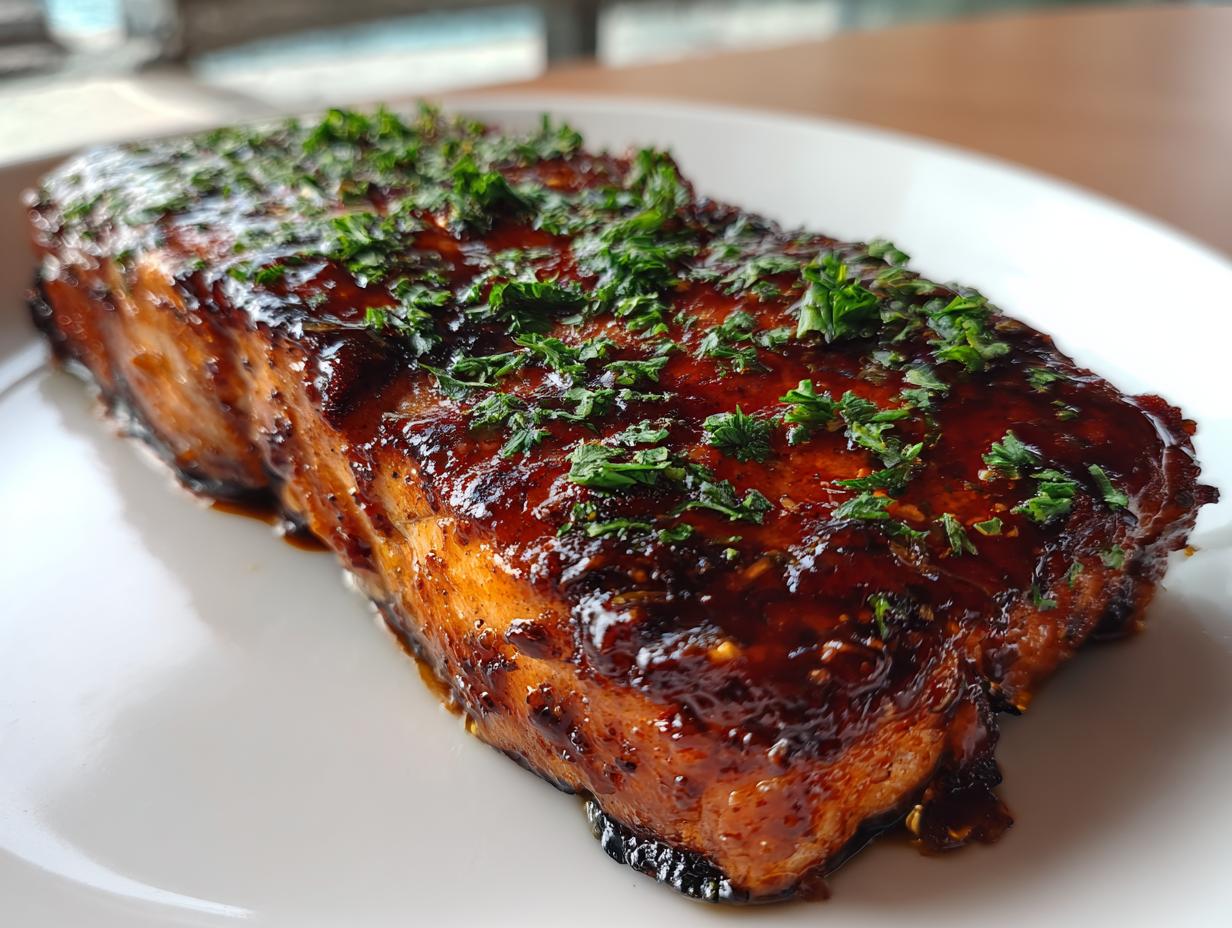
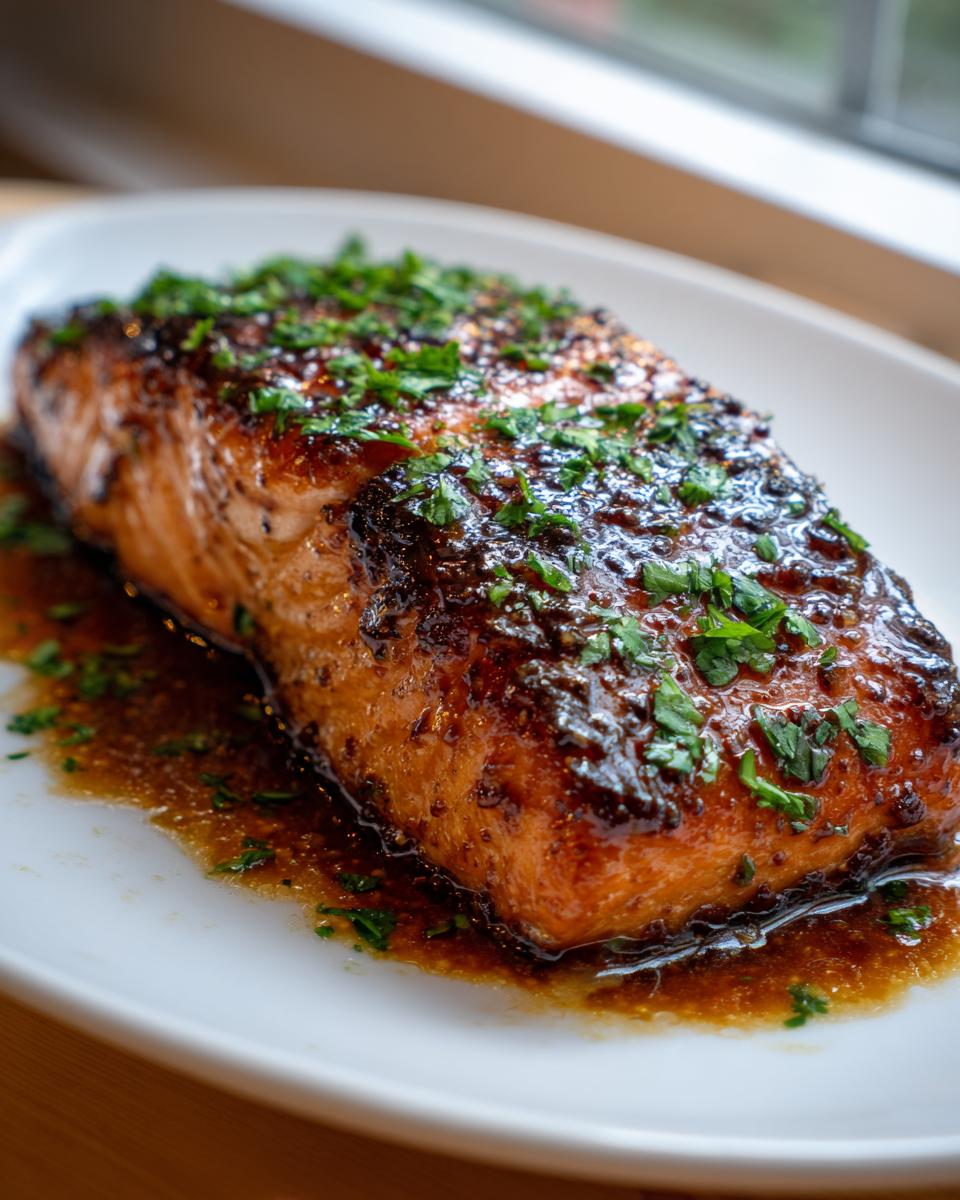
Texas Roadhouse Salmon has always been that perfect restaurant treat—sweet, savory, and flaky—but honestly, who wants to fight the crowds when you can nail that flavor right in your own kitchen? I’m Anna Kowalska, and here I share tried-and-true homemade recipes that you and your family will love. Everything I put on this blog is made with heart and flavor, and I truly believe that the best meals come from simple steps executed with care.
I spent years trying to unlock the secret to that signature glaze. It took a few messy attempts, but I finally cracked the code! Recreating those beloved chain restaurant dishes at home is one of my favorite challenges. This baked salmon recipe cuts down on the fuss but keeps all that sticky, caramelized goodness. Trust me, once you try this, it’s going straight into your regular rotation. It’s fast, it’s flavorful, and it tastes exactly like the takeout version, only better!
Jump to:
Gathering Ingredients for Authentic Texas Roadhouse Salmon
Getting that amazing restaurant flavor doesn’t mean you need a secret stash of specialty items! When we talk about making authentic Texas Roadhouse Salmon, the magic is really in the balance of the glaze ingredients. For the salmon itself, you’ll want four nice, even fillets, about 6 ounces each. I usually leave the skin on because it helps hold the fish together while baking, but if you prefer it off, that’s fine too. Just make sure they are roughly the same thickness so they cook at the same speed.
The real star here is that sweet and savory coating. Don’t start substituting things yet; the exact measurements are what make this glaze shine!
Essential Components for the Texas Roadhouse Salmon Glaze
For the glaze, you need a good balance of sweet and salty. We’re using a quarter cup of dark brown sugar—make sure it’s packed in tight! That’s crucial for that rich color. Then we mix in two tablespoons of soy sauce for the saltiness and umami depth. Melt two tablespoons of butter separately to keep the glaze smooth, and stir in one tablespoon of honey for extra stickiness. Finally, grab your spices: one teaspoon of garlic powder, half a teaspoon of black pepper, and just a quarter teaspoon of paprika. Whisk this all together until it looks like thick, dark syrup.
Equipment Needed for Perfect Texas Roadhouse Salmon
You don’t need fancy gadgets for this baked salmon, thankfully! The most important thing is a sturdy baking sheet. Line that sheet completely with parchment paper; this prevents sticking when that sugar starts caramelizing, which is exactly what we want on the fish but not on the pan! You’ll also need a small bowl for whisking your glaze and a pastry brush to apply it evenly over those beautiful salmon fillets.
Step-by-Step Guide to Making Texas Roadhouse Salmon
This is where the magic happens, and honestly, it moves so fast you’ll be shocked this tastes like a restaurant meal. The key to perfect Texas Roadhouse Salmon is applying that gorgeous glaze in two stages. Don’t rush the preheating, though; a hot oven means we start setting that crust right away.
Preparing the Salmon and Oven Setup
First things first: get your oven cranked up to 400 degrees Fahrenheit. That’s a nice, hot temperature we need for baking. While it heats up, grab your baking sheet and line it completely with parchment paper. Seriously, don’t skip this—it saves you scrubbing later! Take your four salmon fillets and lay them on the paper. Now, this is important: pat the tops and sides of the salmon dry with a paper towel. Wet fish steams instead of searing, and we want that beautiful glaze to stick, not slide off!
Creating the Signature Sweet and Savory Glaze
Time to make the star of the show! In a small bowl—nothing fancy needed—we’re going to mix up that sweet and savory glaze. Start with the quarter cup of packed brown sugar, then pour in the two tablespoons of soy sauce. Melt those two tablespoons of butter and add it in, along with the tablespoon of honey. Now for the seasoning: one teaspoon of garlic powder, half a teaspoon of black pepper, and that tiny quarter teaspoon of paprika. Whisk this vigorously until it’s smooth. It should look thick, dark, and intoxicatingly sweet. Keep this bowl right next to your salmon, because we’re moving fast!
The Two-Step Baking Process for Texas Roadhouse Salmon
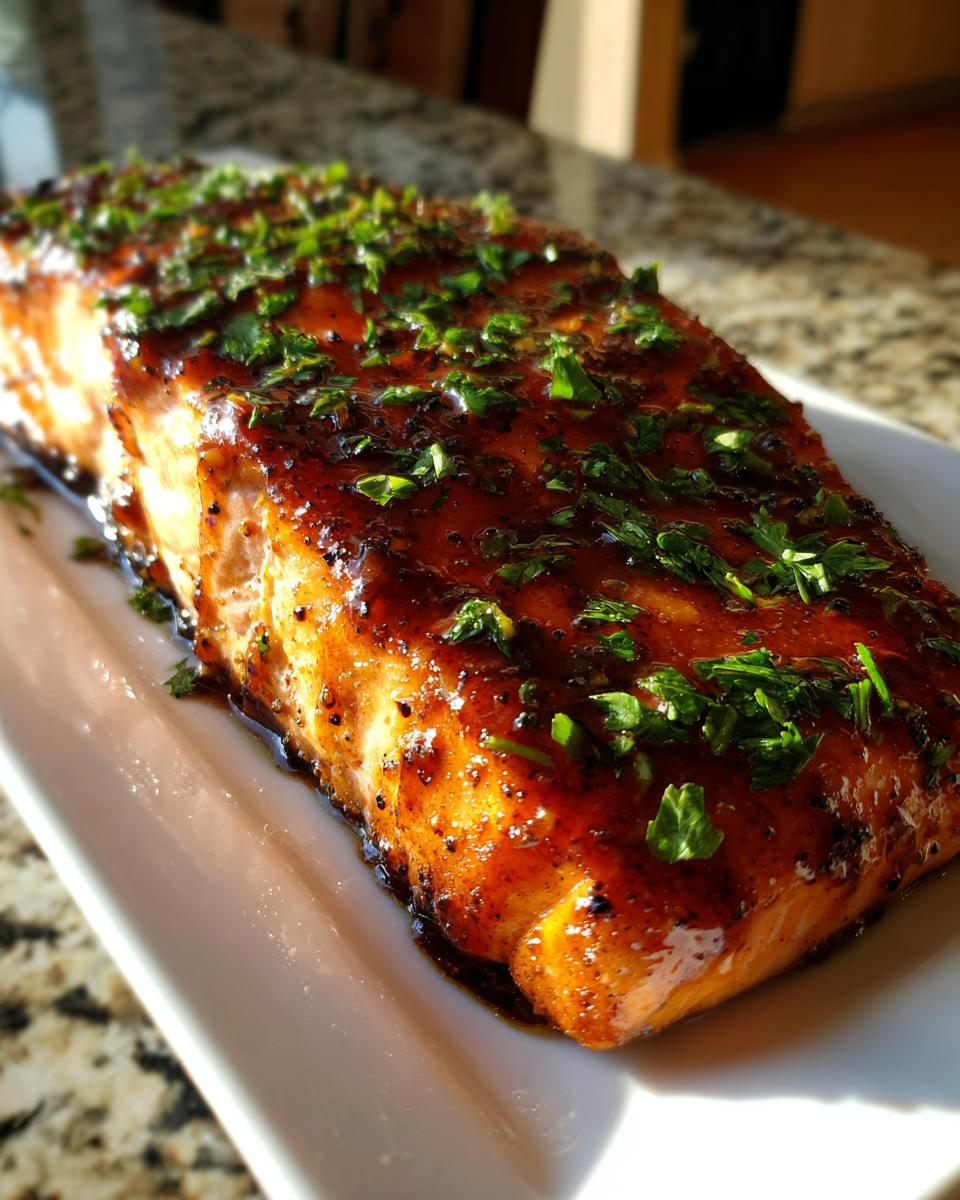
Place your seasoned salmon onto the parchment. Take about half of your beautiful glaze mixture and brush it generously over the top of the fillets. They should look shiny and coated. Slide that tray into the 400-degree oven for exactly 8 minutes. This first blast cooks the interior slightly and starts setting the first layer of flavor. Pull the tray out—careful, it’s hot!—and brush on the rest of that glorious, remaining glaze. Pop it back in for another 8 to 10 minutes. You’re looking for the salmon to flake easily when you gently nudge it with a fork, and it should hit 145 degrees internally. Once it’s done, pull it out, let it sit for just two minutes to let those juices redistribute, then top with fresh parsley before serving!
Keys to Achieving Restaurant-Quality Texas Roadhouse Salmon
You want that perfect sticky caramelization you get at the restaurant, right? The whole secret to getting incredible Texas Roadhouse Salmon at home really boils down to two things: even cooking and managing that glaze. Make sure your fillets are all roughly the same thickness; if one is super thin, it’ll dry out before the thick one is done. I also learned that applying the glaze twice is non-negotiable! That first layer goes on before the oven, and the second layer goes on halfway through. This builds up that glossy, thick coating instead of just having it melt right off.
If you want to push the caramelization even further without burning the glaze, you can carefully switch your oven to the broiler for the very last minute or two. Keep your eye on it though, because sugar burns fast! It gives you that beautiful dark char right on top.
Understanding Internal Temperature for Perfectly Cooked Salmon
Listen, I know the timing says 18 to 20 minutes total, but the oven gods are fickle! The only way to guarantee perfect salmon—never dry, always flaky—is to trust your thermometer. You are aiming for an internal temperature of 145 degrees Fahrenheit right at the thickest part of the fillet. Once it hits that mark, pull it out immediately. Don’t worry if it seems slightly underdone; you must let it rest for two minutes after it leaves the heat. That resting time allows the residual heat to finish cooking it gently and, more importantly, keeps all those delicious, sweet juices trapped inside the fish. That’s how you get that moist texture every time!
Frequently Asked Questions About Texas Roadhouse Salmon
I get so many lovely messages about this recipe! People always want to know how to tweak it or what happens if they skip a step. Don’t stress if your pantry looks a little different; we can usually work around it. Here are the most common questions I hear about nailing this baked Texas Roadhouse Salmon at home.
Can I Cook Texas Roadhouse Salmon on the Grill Instead?
You absolutely can! If you’re firing up the grill, you’ll want to use indirect heat. Preheat your grill to medium, around 375 degrees. Place the salmon fillets on the cooler side of the grill, away from direct flame. You’ll still want to apply the glaze in two stages, just like in the oven. It usually takes about 12 to 15 minutes total on the grill, but always check that internal temperature for safety!
Adjusting Sweetness in the Texas Roadhouse Salmon Glaze
This glaze is meant to be sweet and savory, but if you prefer it less sweet, you have a couple of options. You can cut the brown sugar down by about a quarter—say, from a quarter cup to three tablespoons—and the salmon will still be delicious. Another trick is to add a tiny squeeze of fresh lemon juice when you whisk the glaze together. That little bit of acid cuts through the sweetness beautifully without losing the honey and brown sugar flavor profile.
Storing and Reheating Your Leftover Texas Roadhouse Salmon
I always hope there are leftovers because this glazed salmon tastes fantastic the next day, but you have to handle it right! Storing your Texas Roadhouse Salmon properly is key to keeping that glaze from getting sticky or weird in the fridge. Make sure the salmon is completely cooled down before you put it away. I never leave cooked fish sitting out for more than two hours—safety first!
When reheating, you want to warm it gently so you don’t dry out those beautiful, flaky layers. Microwaving works in a pinch, but the oven is my preferred method to revive that glazed texture. Just follow the quick guide below for the best results when you want to enjoy your leftovers!
Quick Reference Table for Storage and Reheating
| Storage Duration | Reheating Method |
|---|---|
| Up to 3 days in an airtight container | Oven at 300°F for 8-10 minutes |
| Freezing (Not Recommended) | Taste and texture may degrade |
Serving Suggestions for Your Homemade Texas Roadhouse Salmon
Now that you have this incredible, sticky salmon ready to go, you need sides that can stand up to that sweet and savory glaze! Since the Texas Roadhouse Salmon has such a strong, rich flavor profile, I like to pair it with things that are bright or starchy to soak up any extra sauce.
Roasted asparagus is always a winner; the slight bitterness of the asparagus is a perfect counterpoint to the sweetness of the honey and brown sugar. If you want something heartier, a simple, buttery rice pilaf or even some fluffy mashed potatoes works wonders. Honestly, if you have some steamed green beans tossed with a little lemon zest, that’s enough to make a complete, restaurant-worthy meal. Keep the sides simple so that perfectly glazed salmon remains the absolute star of the plate! For more side ideas, check out my recipe for creamy garlic mashed potatoes.
Estimated Nutritional Overview for Texas Roadhouse Salmon
I know so many of you are counting macros or just curious about what’s in your dinner, and I totally get it! Since I didn’t use exact nutritional tracking for every single drizzle of honey in my kitchen tests, these numbers for the Texas Roadhouse Salmon are a close, educated guess based on the main ingredients. This is just an estimate, so please use it as a general guide! If you are interested in learning more about the general nutritional benefits of salmon, you can check out resources like the FDA guidance on eating fish.
The protein content will be high because of the fish, and the sugar and fat come from that sticky, delicious glaze we worked so hard on. If you are looking for other high-protein dinners, you might enjoy my high-protein shrimp stir-fry.
| Nutrient | Estimated Amount Per Serving |
|---|---|
| Calories | Approx. 350-400 |
| Protein | Approx. 35g |
| Carbohydrates | Approx. 15g |
| Fat | Approx. 16g |

Amazing 8-Minute Texas Roadhouse Salmon
- Total Time: 30 minutes
- Yield: 4 servings 1x
- Diet: Low Fat
Description
This recipe delivers the sweet and savory flavor of Texas Roadhouse Salmon using simple ingredients and a quick baking method. You get perfectly cooked, glazed salmon ready in about 30 minutes.
Ingredients
- 4 salmon fillets 6 oz each
- 1/4 cup brown sugar
- 2 tablespoons soy sauce
- 2 tablespoons butter, melted
- 1 tablespoon honey
- 1 teaspoon garlic powder
- 1/2 teaspoon black pepper
- 1/4 teaspoon paprika
- 2 tablespoons fresh parsley, chopped
Instructions
- Preheat your oven to 400°F (200°C). Line a baking sheet with parchment paper and pat the salmon fillets dry.
- Whisk together brown sugar, soy sauce, melted butter, honey, garlic powder, black pepper, and paprika in a small bowl to create the glaze.
- Place the salmon on the prepared baking sheet and brush with half of the prepared glaze.
- Bake the salmon for 8 minutes.
- Remove the salmon from the oven and brush with the remaining glaze.
- Bake for an additional 8-10 minutes until the salmon flakes easily and reaches an internal temperature of 145°F.
- Remove from the oven, let it rest for 2 minutes, sprinkle with fresh parsley, and serve immediately.
Notes
- Use salmon fillets of similar thickness for even cooking.
- Applying the glaze twice helps create a nice shine.
- Check the internal temperature; 145°F is the safe target.
- Letting the salmon rest briefly keeps the juices inside.
- You can broil for 1-2 minutes at the end if you want extra caramelization on the top.
- Prep Time: 10 minutes
- Cook Time: 18-20 minutes
- Category: Main Course
- Method: Baking
- Cuisine: American
Nutrition
- Serving Size: 6 oz salmon fillet
- Calories: Unknown
- Sugar: Unknown
- Sodium: Unknown
- Fat: Unknown
- Saturated Fat: Unknown
- Unsaturated Fat: Unknown
- Trans Fat: Unknown
- Carbohydrates: Unknown
- Fiber: Unknown
- Protein: Unknown
- Cholesterol: Unknown